Introduction
In the digital age, where communication channels are as vast as they are varied, the issue of spam texts has become increasingly prevalent. Virginia, like many other states, faces the challenge of managing and mitigating the impact of unwanted text messages on its citizens. This comprehensive article will guide readers through the process of effectively reporting spam texts in Virginia, delineating the significance of such actions, and providing a holistic view of the subject matter. We will explore the intricacies of combating spam texts, from understanding the mechanisms behind them to the broader economic and policy implications. By the end of this article, readers will be equipped with the knowledge to protect themselves against spam text threats and contribute to a safer digital environment.
Understanding How-To-Report Spam Texts in Virginia
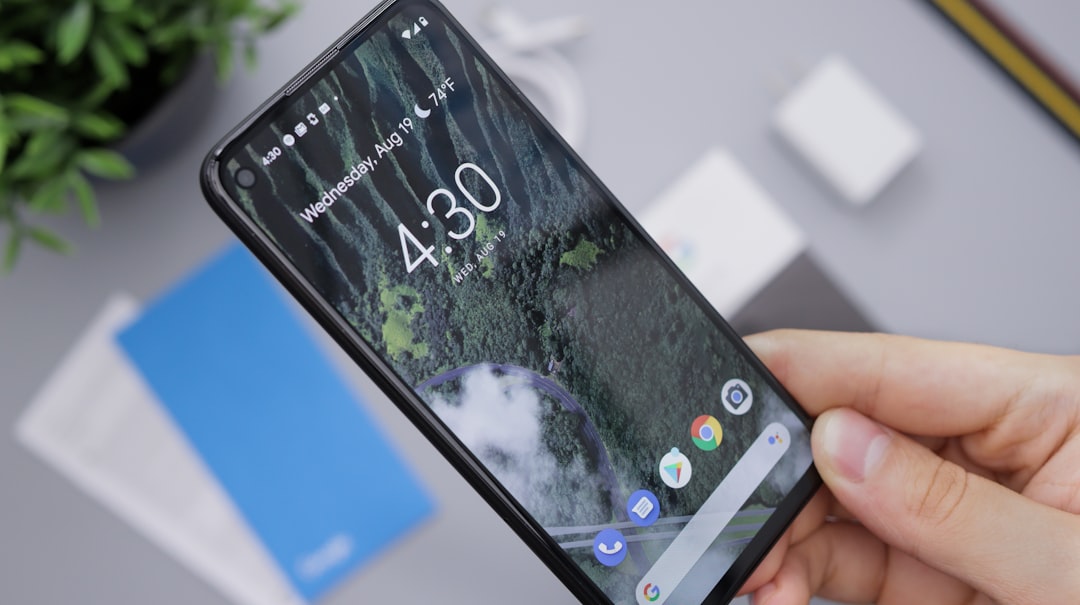
Spam texts, or Unsolicited Commercial Messages (UCM), are text messages sent to mobile devices for advertising or promotional purposes without the recipient's consent. Reporting these can be a critical step in curbing the activities of spammers and protecting consumers from potential scams, fraud, and privacy breaches. In Virginia, there are specific protocols and avenues through which citizens can report such nuisances. These reports aid in identifying patterns of spam activity and informing legal actions against offenders. Understanding the process involves knowing the relevant authorities, the type of information required for a report, and the steps taken after a report is filed.
Global Impact and Trends
Spam texts are not an isolated issue but a global phenomenon. The proliferation of mobile devices has made it easier for spammers to reach a wider audience. Different regions face unique challenges, from varying levels of technological sophistication among spammers to distinct regulatory environments. For instance, developed countries may see sophisticated phishing attempts, while developing nations might grapple with more basic, yet still disruptive, spam messages. The rise of smartphones and the advent of 5G technology have only amplified these trends, necessitating a global response to manage spam texts effectively.
Economic Considerations
The economic implications of spam texts are multifaceted. On one hand, they represent a loss in productivity as individuals and businesses deal with unwanted messages. On the other, the fight against spam has created a niche market for cybersecurity firms and software developers. Investment in anti-spam technologies and services is on the rise, reflecting the growing importance of safeguarding digital communication channels. Additionally, the legal framework surrounding spam texts contributes to the economy by enforcing regulations that protect consumers and penalize offenders.
Technological Advancements
Technology plays a pivotal role in the fight against spam texts. Innovations such as advanced filtering algorithms, machine learning, and artificial intelligence are now employed to identify and block spam messages before they reach users. These systems learn from reported spam to improve their accuracy over time. Future advancements may include more sophisticated user authentication methods and real-time analytics to predict and prevent spam text campaigns.
Policy and Regulation
In the United States, the Federal Communications Commission (FCC) and the Federal Trade Commission (FTC) are the primary regulatory bodies that oversee the reporting and management of spam texts. At the state level, individual states like Virginia have their own consumer protection laws and guidelines for dealing with unwanted messages. These policies often dictate the parameters within which service providers must operate to protect consumers. Understanding these regulations is crucial for effective reporting and for the overall management of spam text issues.
Challenges and Criticisms
The battle against spam texts is not without its challenges. Spammers constantly evolve their methods, employing new tactics to outwit anti-spam technologies and regulations. Critics argue that existing laws may not be robust enough to address the dynamic nature of this problem. Privacy concerns also arise as users hand over personal data to report spam texts. Solutions to these challenges include strengthening international collaboration, enhancing user education on digital security, and investing in next-generation anti-spam technologies.
Case Studies
Several case studies illustrate the impact of reporting spam texts and the role it plays in deterring such activities. For example, a coordinated effort between consumers, service providers, and regulatory bodies led to the dismantling of a significant spam operation that targeted users across multiple states, including Virginia. These cases highlight the importance of vigilance, reporting, and the collective effort required to combat spam texts effectively.
Future Prospects
Looking ahead, the landscape of reporting and managing spam texts is poised for significant change. With advancements in technology and a better understanding of consumer behavior, future strategies will likely involve more proactive measures. The integration of blockchain technology could offer new ways to secure communication channels, while AI-driven analytics might predict and prevent spam campaigns before they begin. Continued collaboration between industry stakeholders, policymakers, and consumers will be essential in shaping the future response to spam texts.
Conclusion
In conclusion, reporting spam texts in Virginia is a multifaceted issue that involves understanding technology, adhering to policy, and staying informed about the latest advancements in cybersecurity. By following the proper channels and keeping abreast of new developments, consumers can play a pivotal role in protecting themselves and contributing to a safer digital community. The collective effort of consumers, businesses, and regulatory bodies will be instrumental in mitigating the impact of spam texts and safeguarding the integrity of digital communication for all.
February 20, 2026
how to report spam texts Virginia Expert
Virginia consumers have robust rights against spam texts, protected by federal and state laws like the TCPA. Businesses must obtain explicit consent for promotional messages, providing clear opt-out options. Consumers can document spam messages, request removal, and consult a spam texts lawyer Virgi.......
Read more →
February 18, 2026
how to report spam texts Virginia Expert
Virginia's strict spam texts laws protect consumers from unsolicited promotional messages on mobile devices. Businesses must obtain explicit consent, provide clear opt-out options, and maintain detailed records to comply. Non-compliance leads to fines and legal repercussions. Consumers can bloc.......
Read more →
February 16, 2026
how to report spam texts Virginia Expert
Virginia's Do Not Call law firms regulations strictly control unsolicited text messages. Key aspects include: explicit consent for marketing texts, opt-out mechanisms (e.g., "STOP"), and fines up to $500 per violation. Businesses must implement robust opt-in processes, maintain detail.......
Read more →
February 14, 2026
how to report spam texts Virginia Expert
Virginia's spam texts laws mandate explicit consent for promotional messages, with penalties up to $100/day per violation. Businesses should implement robust opt-in processes, maintain records of customer consent, and provide easy opt-out mechanisms. Consumers can take legal action against spam.......
Read more →
February 12, 2026
how to report spam texts Virginia Expert
Virginia's text message privacy laws, built on the Do Not Call Law Firms Act, protect consumers from unwanted marketing texts. Businesses must obtain explicit consent, maintain detailed records, and ensure transparent communication to avoid substantial fines. Consumers can register on the Do No.......
Read more →
February 6, 2026
how to report spam texts Virginia Expert
Virginia's TCPA laws strictly regulate automated text messages, especially those sent without prior consent, subjecting non-compliant businesses to substantial fines and reputational damage. Key compliance requirements include obtaining explicit consent, using clear opt-out mechanisms, maintain.......
Read more →
February 4, 2026
how to report spam texts Virginia Expert
Virginia's anti-spam laws protect consumers from unwanted text messages through explicit consent requirements and opt-out mechanisms for businesses, with strict fines for non-compliance. Individuals are advised to manage phone settings and report spam, while businesses need legal counsel from s.......
Read more →
January 22, 2026
how to report spam texts Virginia Expert
Virginia's Do Not Call law firms Virginia regulations strictly control spam text messages, prioritizing consumer protection from deceptive marketing. Key requirements include obtaining explicit opt-in consent, implementing robust data management practices, and respecting registered numbers on t.......
Read more →
January 21, 2026
how to report spam texts Virginia Expert
Virginia's Anti-Spam Act prohibits unsolicited text messages for commercial purposes without explicit consent, with fines up to $1000/day. Businesses must implement opt-in processes, maintain detailed records, and consult legal experts to avoid violations and false accusations, as unauthorized.......
Read more →
January 18, 2026
how to report spam texts Virginia Expert
SMS spam is a growing concern in Virginia with limited legal protections compared to voice calls. To combat it effectively, consumers should:1. Document spam messages thoroughly (sender, content, date/time).2. Report spam to relevant authorities using dedicated platforms or hotlines.3. Avoid engagin.......
Read more →